University of Ghana Nutrition Research and Training Center
Agrifood and Entrepreneurship Programs
Systems through Leadership, Agrifoods and Entrepreneurship Training
The Agrifood and Entrepreneurship Programme, under the UG Nkabom Collaborative, is a targeted initiative designed to empower young rural women in agrifood systems through leadership development, entrepreneurship training, and inclusive stakeholder engagement. Anchored within the University of Ghana ecosystem and aligned with the work of the Nutrition Research and Training Centre (NRTC), the programme contributes to strengthening sustainable food systems and improving livelihoods in rural communities.
The programme focuses on young women, particularly those engaged in or aspiring toward agrifood entrepreneurship, in the Upper Manya Krobo District. It combines evidence-based research, community engagement, and curriculum development to address critical gaps in leadership, skills development, and access to opportunities within the food and nutrition sector.
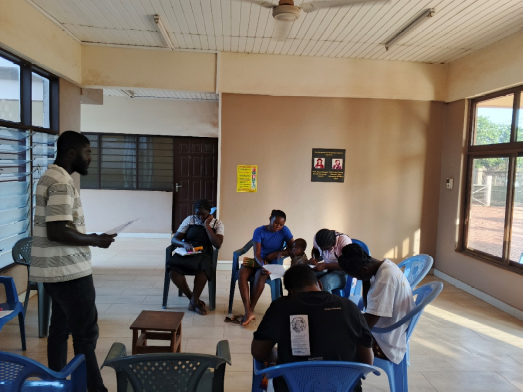
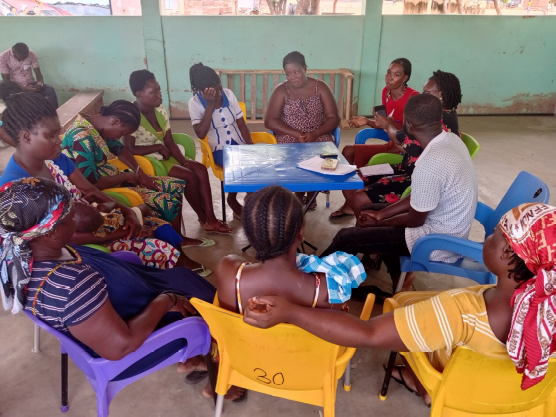
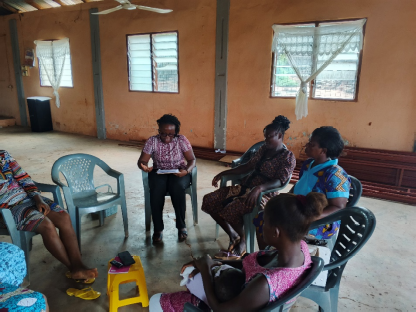
A foundational component of the programme involved a comprehensive needs assessment conducted through focus group discussions and key informant interviews with young women and community stakeholders. These engagements revealed the central role of informal agrifood businesses—such as baking, food processing, and small-scale trading—in women’s livelihoods, as well as the strong entrepreneurial drive among participants. At the same time, the findings highlighted key challenges, including limited access to equipment, lack of structured mentorship, and insufficient leadership and self-development training opportunities.
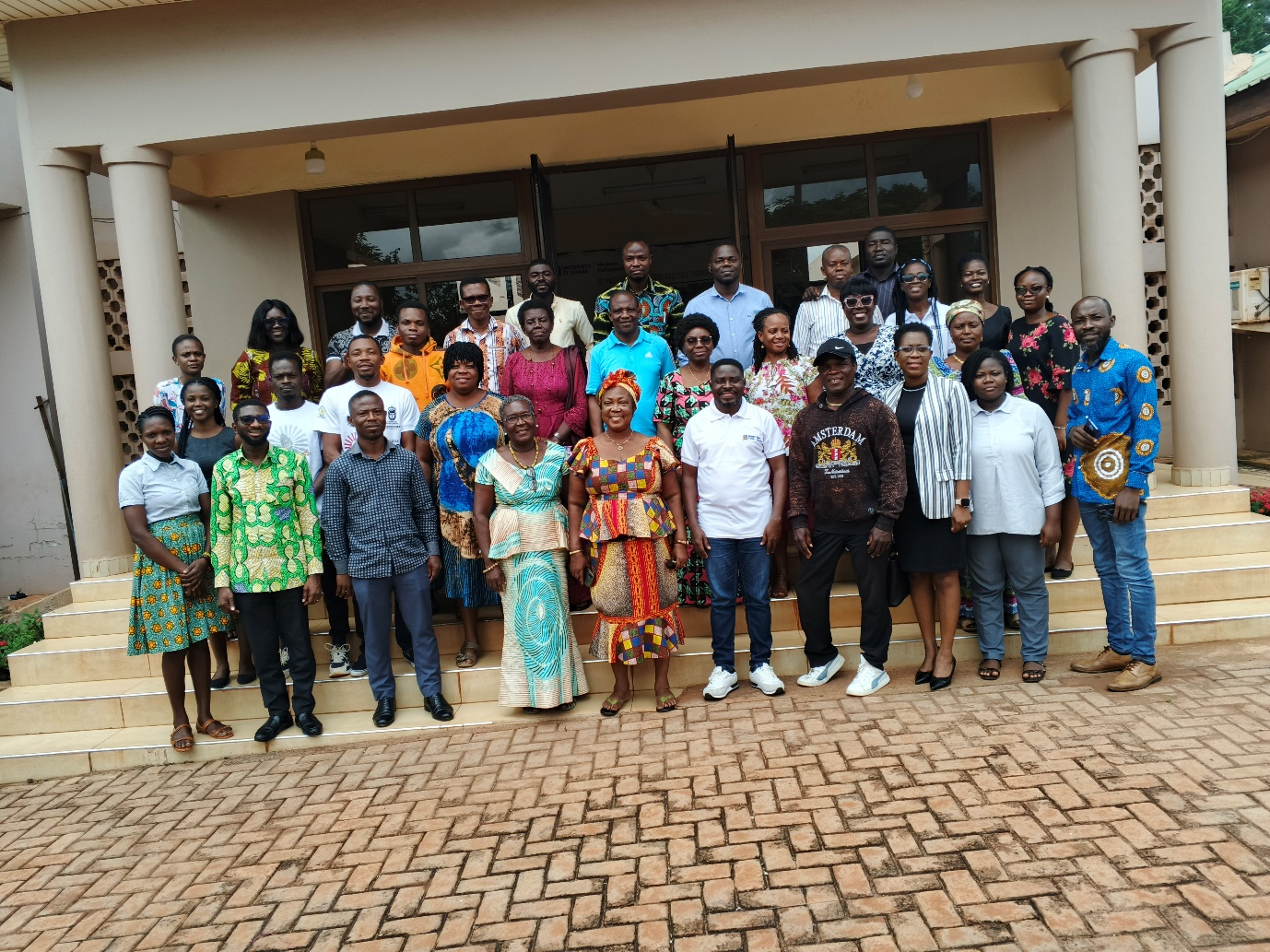
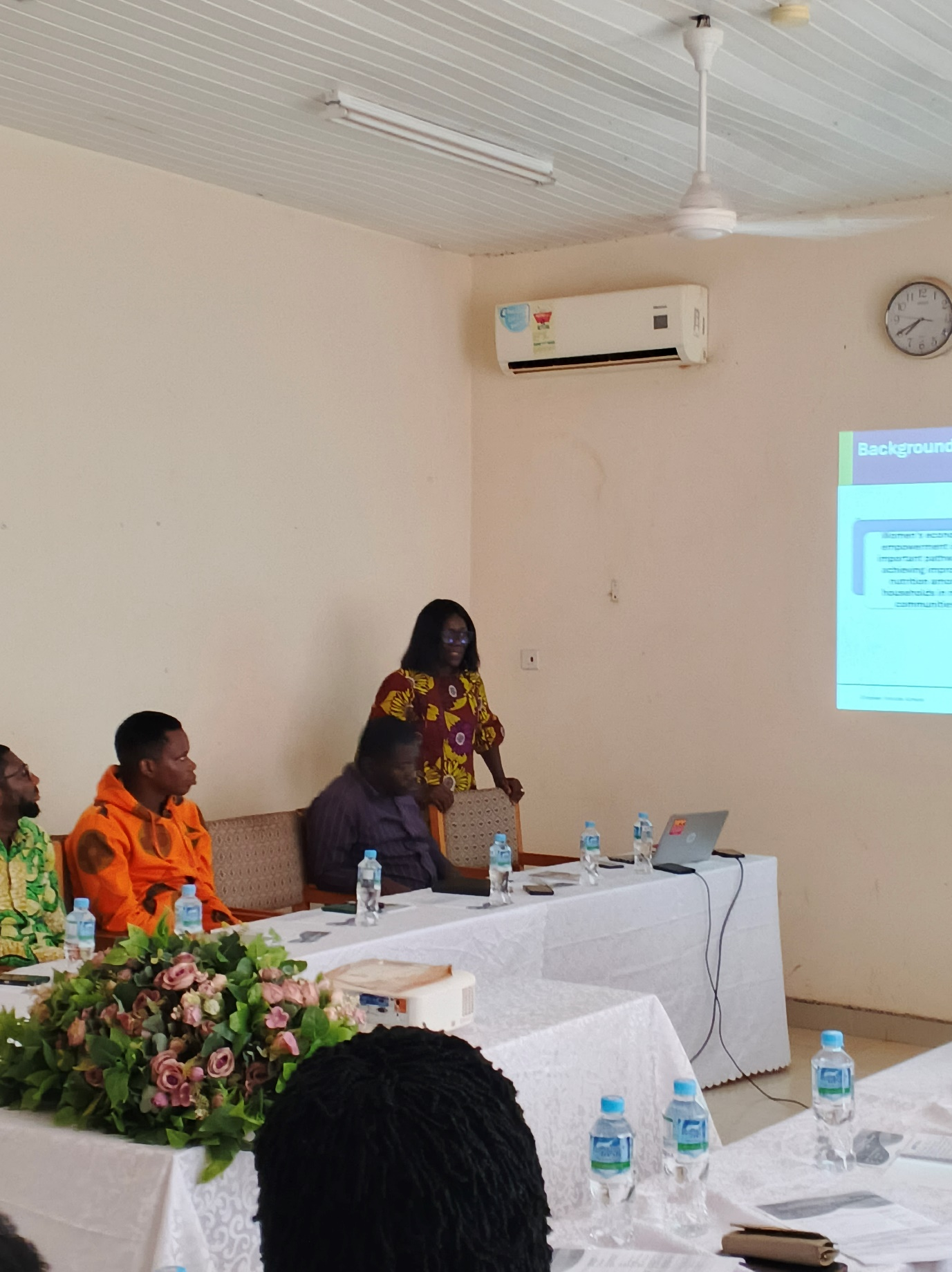
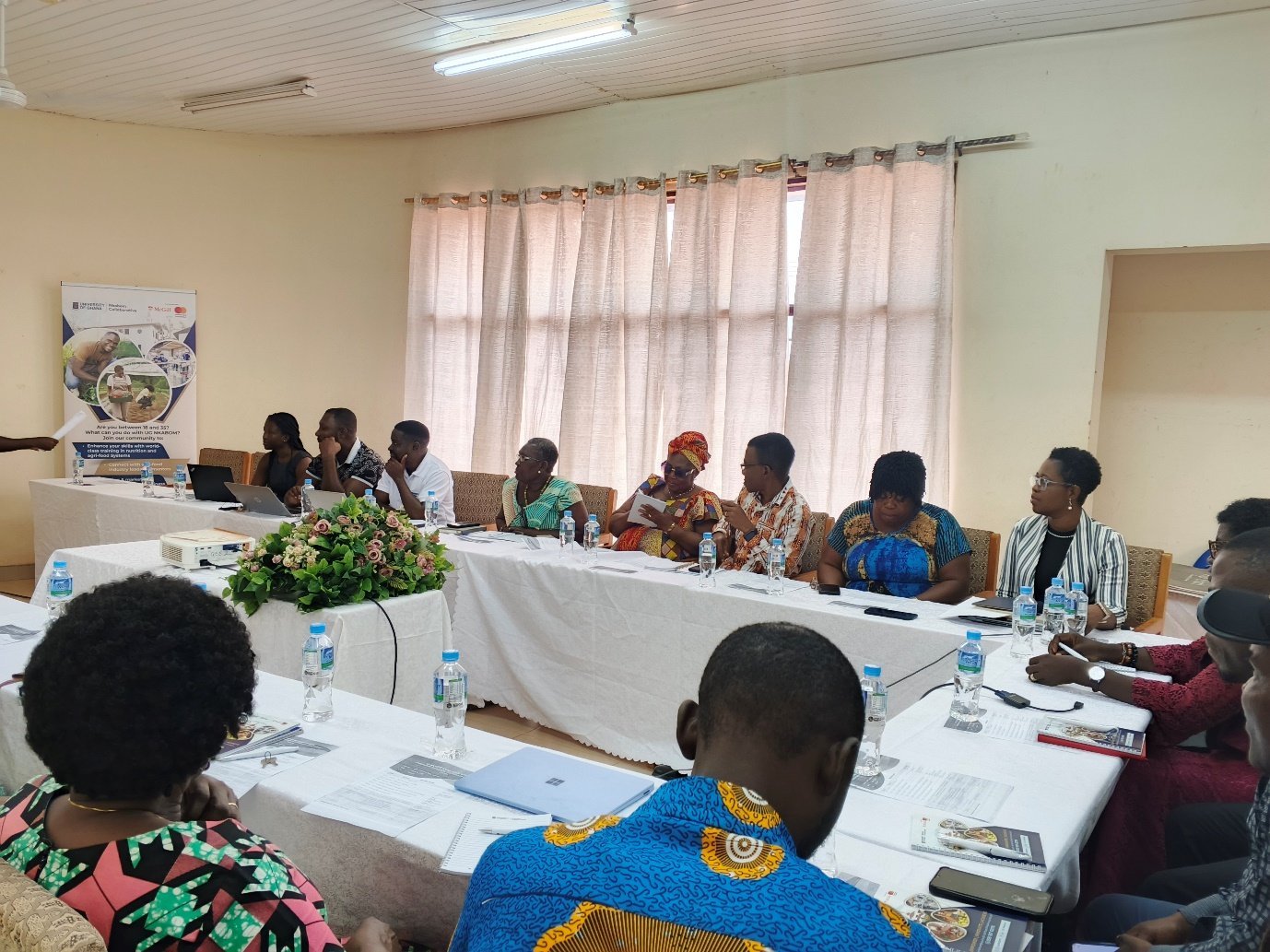
Building on these insights, the programme advanced to a multi-stakeholder engagement phase, bringing together representatives from government agencies, academia, health and nutrition services, local media, and community-based organizations. Key contributors included actors from agriculture, nutrition, and food science, ensuring that the training programme is technically sound, locally relevant, and aligned with national development priorities. This collaborative process led to the co-creation and validation of a leadership and mentorship training curriculum tailored specifically to the needs of rural young women in agrifood systems.
The Agrifood and Entrepreneurship Programme aims to:
- Strengthen leadership and entrepreneurial capacities of young women in agrifood systems;
- Promote skills development in food processing, value addition, food safety, and small business management;
- Enhance access to mentorship, training resources, and structured learning opportunities;
- Foster collaboration between academic institutions, community groups, and public sector stakeholders;
- Support the development of sustainable, nutrition-sensitive, and market-oriented agrifood enterprises.
The programme adopts participatory and context-specific approaches, including interactive training modules, stakeholder-informed curriculum design, and culturally appropriate facilitation methods. By integrating perspectives from the Department of Nutrition and Food Science and other partners, it ensures that scientific knowledge is translated into practical solutions that can be applied within local food systems.
As a next step, the programme is advancing toward facilitator training and full implementation of the leadership and mentorship curriculum. This phase will equip trainers with the tools and knowledge needed to effectively deliver the programme and support participants in translating skills into viable agrifood enterprises.
Through its emphasis on collaboration, capacity building, and applied research, the Agrifood and Entrepreneurship Programme strengthens the role of the NRTC as a regional hub for food systems innovation, training, and research-to-practice engagement. Ultimately, it contributes to building resilient, inclusive, and sustainable food systems while creating pathways for economic empowerment among rural women in Ghana.